

29 Mar Understanding Different Ski Types and Which One Fits You Best
Understanding Different Ski Types and Which One Fits You Best
If you’re planning a ski trip to Breckenridge, choosing the right skis can turn a good day on the mountain into a great one. With everything from perfectly groomed runs to bowls, bumps, trees, and spring slush, Breckenridge offers a little of everything—so it helps to understand how different ski types are built and who they’re made for.
This guide breaks down the main categories of skis, how design features affect performance, and how to pick a setup that matches your ability and the day’s conditions. As a family-owned, full-service ski shop with two convenient locations on the north and south ends of Breckenridge, Alpine Sports can help you dial in the perfect fit when you arrive or reserve ahead online.
Key ski design terms (and why they matter)
– Waist width: The narrowest point underfoot, measured in millimeters. Narrower waists (70–85 mm) feel quicker edge-to-edge on groomers. Wider waists (95–120+ mm) float better in soft snow.
– Sidecut radius: Expressed in meters; a smaller number carves tighter turns, a larger number prefers long, arcing turns.
– Camber and rocker: Camber arches up underfoot for edge grip and energy on firm snow. Rocker rises at the tip and/or tail to aid flotation and make turn initiation easier. Many all-mountain skis blend both (rocker-camber-rocker).
– Flex: Softer skis are more forgiving and easier to maneuver at lower speeds. Stiffer skis stay stable at speed and in variable snow but require more input.
The main ski types (and who they’re best for)
1) Beginner/Progression Skis
– What they are: Softer-flexing, confidence-building skis with a slightly narrower to mid-width waist and forgiving rocker profiles.
– Who they’re for: First-timers and early intermediates who want predictable control while building skills.
– Why choose them in Breckenridge: Perfect for learning on groomed runs and developing technique without fighting your gear.
2) Frontside/Carving Skis
– Typical width: 70–85 mm
– Profile: Often full camber or light tip rocker with strong edge grip.
– Who they’re for: Skiers who love crisp morning corduroy, precise turns, and hardpack performance.
– Breckenridge sweet spot: Early-season conditions, colder days with firm snow, or when you just want that lively carve on the groomers.
3) All-Mountain Skis (The Daily Driver)
– Typical width: 85–100 mm
– Profile: Rocker-camber-rocker for versatility in mixed conditions.
– Who they’re for: Most skiers, from solid beginners to advanced riders who want one ski to handle groomers, trees, soft snow, and the occasional bump run.
– Breckenridge sweet spot: The go-to choice for the variety you’ll find here—great for most days, especially when the weather changes hour to hour.
4) All-Mountain Wide
– Typical width: 100–108 mm
– Profile: More rocker for soft snow, still enough edge hold for groomers.
– Who they’re for: Skiers who prioritize float and stability but still want a single ski that can tackle most of the mountain.
– Breckenridge sweet spot: Midwinter storms, wind-buffed bowls, and soft, chop-ier afternoons.
5) Powder Skis
– Typical width: 108–120+ mm
– Profile: Generous tip and tail rocker, sometimes with a wider shovel and tapered shape.
– Who they’re for: Those chasing deep days and surfy turns.
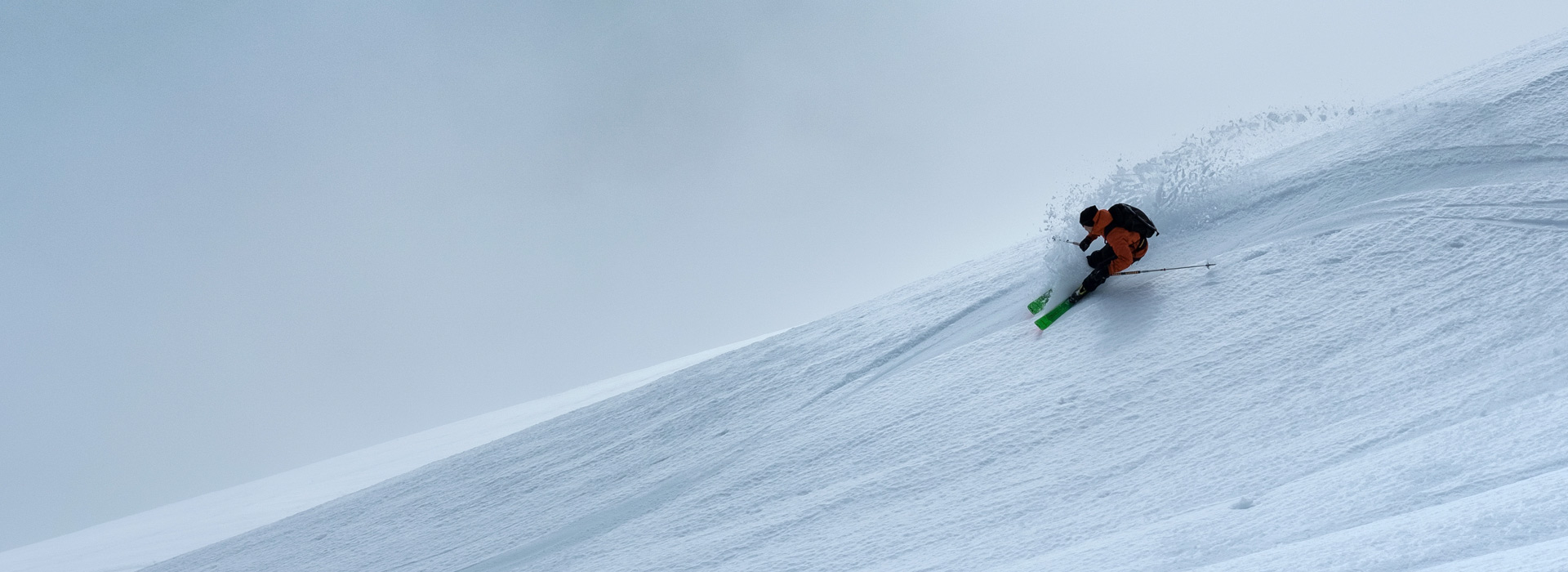
– Breckenridge sweet spot: On storm days and in fresh snow—when you want maximum float in bowls and glades.
6) Freestyle/Park Skis
– Typical width: 85–100 mm, twin-tip design
– Profile: Often symmetrical or near-symmetrical with softer flex for playful skiing.
– Who they’re for: Skiers who like jumps, rails, and skiing switch, but they’re also fun for all-mountain play.
– Breckenridge sweet spot: Lapping the park and playful afternoons across the hill.
7) Freeride/Big-Mountain Skis
– Typical width: 98–112 mm (varies)
– Profile: Rockered tips, sometimes tails; usually stiffer with a longer radius for stability in variable, steep terrain.
– Who they’re for: Confident skiers who like speed, off-piste lines, and mixed conditions.
– Breckenridge sweet spot: Open terrain, bowls, and when you want a damp, planted feel at speed.
8) Mogul-Specific Skis
– Typical width: Narrow, with quick edge-to-edge response and softer tips.
– Who they’re for: Bump aficionados who want maximum control and absorption.
– Breckenridge sweet spot: Dedicated mogul lines and zipper-lining your favorite bump runs.
9) Touring/Backcountry Skis
– Typical width: Wide range; focus on lightweight construction to go uphill with climbing skins.
– Who they’re for: Skiers with the proper equipment, knowledge, and avalanche safety training exploring outside resort boundaries or using designated uphill routes where allowed.
– Note: Always prioritize safety, local regulations, and the right gear if you plan to tour.
How to choose the right ski for you
1) Start with your honest ability level
– Beginner: Prioritize forgiveness and control. Look for softer flex and a waist around 80–90 mm.
– Intermediate: Choose versatility. All-mountain skis (85–100 mm) with rocker-camber-rocker shine here.
– Advanced/Expert: Let terrain and style guide you—carvers for groomers, wide all-mountain for soft days, freeride or powder shapes for bowls and deeper snow.
2) Match the ski to where you’ll spend most of your time
– Mostly groomers: Frontside/carving or narrower all-mountain skis.
– Mixed terrain and changing conditions: All-mountain in the high 80s to mid 90s.
– Soft snow focus: All-mountain wide or powder skis.
– Park and playful skiing: Freestyle twin tips.
3) Dial in the right length
– A simple rule: Stand skis next to you; tips should land roughly between your chin and the top of your head.
– Go shorter if: You’re a newer skier, prefer tight trees or moguls, or want maximum maneuverability.
– Go longer if: You ski fast, are heavier for your height, or need extra stability and float in soft snow.
4) Consider width for Breckenridge conditions
– 80–88 mm: Quick and confidence-inspiring on groomers and cold, firm mornings.
– 88–100 mm: Versatile daily drivers for most days on the mountain.
– 100–110+ mm: Best for deeper days, bowls, and soft chop.
5) Don’t overlook bindings and boots
– Binding release settings should match your ability and boot sole length for safety.
– Boot fit is critical—better boot fit often improves performance more than changing skis. A supportive, well-fitted boot will let your skis do what they’re designed to do.
Breckenridge-specific suggestions by season and conditions
– Early season and cold snaps: Frontside/carving or narrower all-mountain skis keep it lively on firm snow.
– Midwinter storms: All-mountain wide or powder skis deliver float and confidence when it gets deep.
– Variable afternoons: A versatile all-mountain ski with rocker handles chopped-up snow without beating you up.
– Spring skiing: All-mountain skis with some rocker make slush fun, and park skis are great for sunny, playful laps.
Quick “you might love this ski if…” guide
– Beginner/Progression: You want easy turning, stability at slow to moderate speeds, and a friendly feel.
– Frontside/Carving: You live for clean arcs, high edge angles, and morning corduroy.
– All-Mountain: You want one ski for almost everything on the hill.
– All-Mountain Wide: You chase soft snow but still want to ski it all.
– Powder: You plan your day around storms and deep turns.
– Freestyle/Park: You like to play—switch skiing, spins, and side hits.
– Freeride: You want stability and confidence in bowls and off-piste terrain.
– Moguls: You love zipper lines and quick, precise turns.
Why rent or get fitted at Alpine Sports
– Local expertise: Our family-owned team knows Breckenridge conditions and can match you to the right ski for the day’s forecast and your goals.
– Full-service support: From setup to on-snow tips, we’re here to make sure your gear works for you.
– Selection for every skier: From beginner-friendly to high-performance, powder to park, we stock a wide range of skis in multiple lengths and widths.
Ready to find your fit?
Whether you know exactly what you want or you’re starting from scratch, Alpine Sports makes it easy to rent skis in Breckenridge that fit your ability and the mountain’s conditions. Reserve online before you arrive, or stop by one of our two convenient locations on the north and south ends of Breckenridge, Colorado. Our team will get you set up quickly so you can spend more time on the snow and less time guessing which ski is right for you.
Sorry, the comment form is closed at this time.