

16 Mar How to Care for Your Rental Gear While on Vacation
How to Care for Your Rental Gear While on Vacation
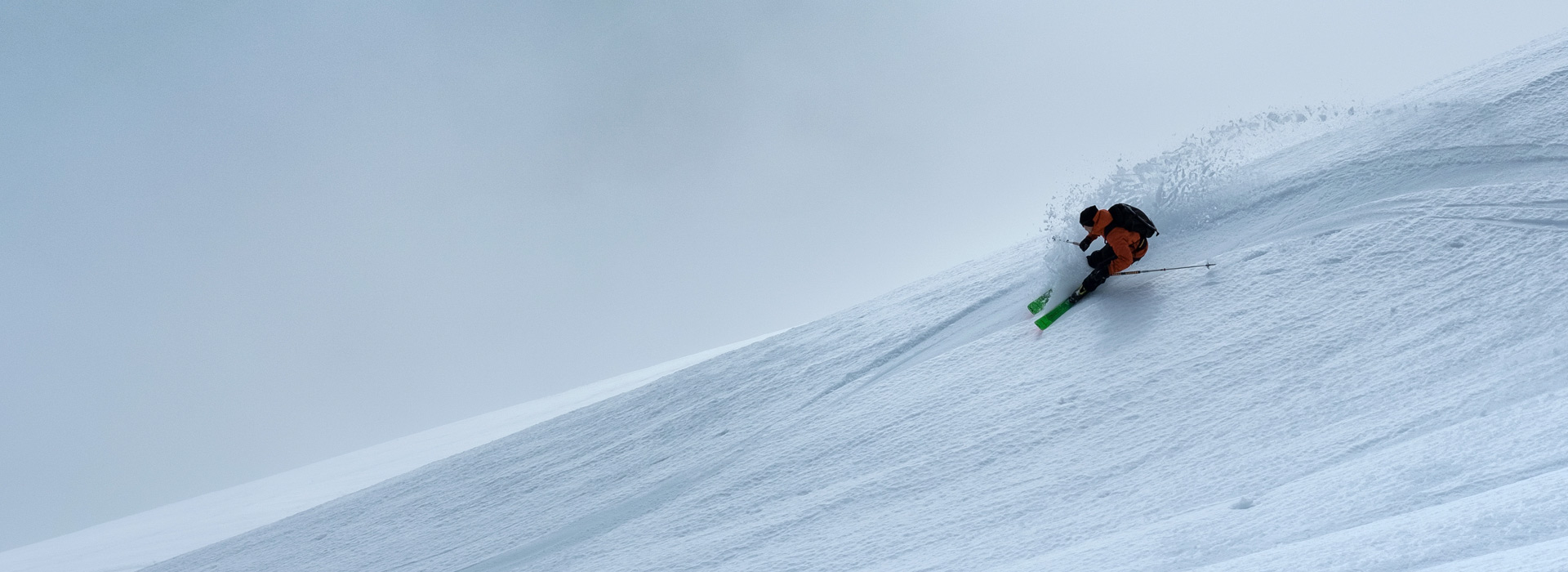
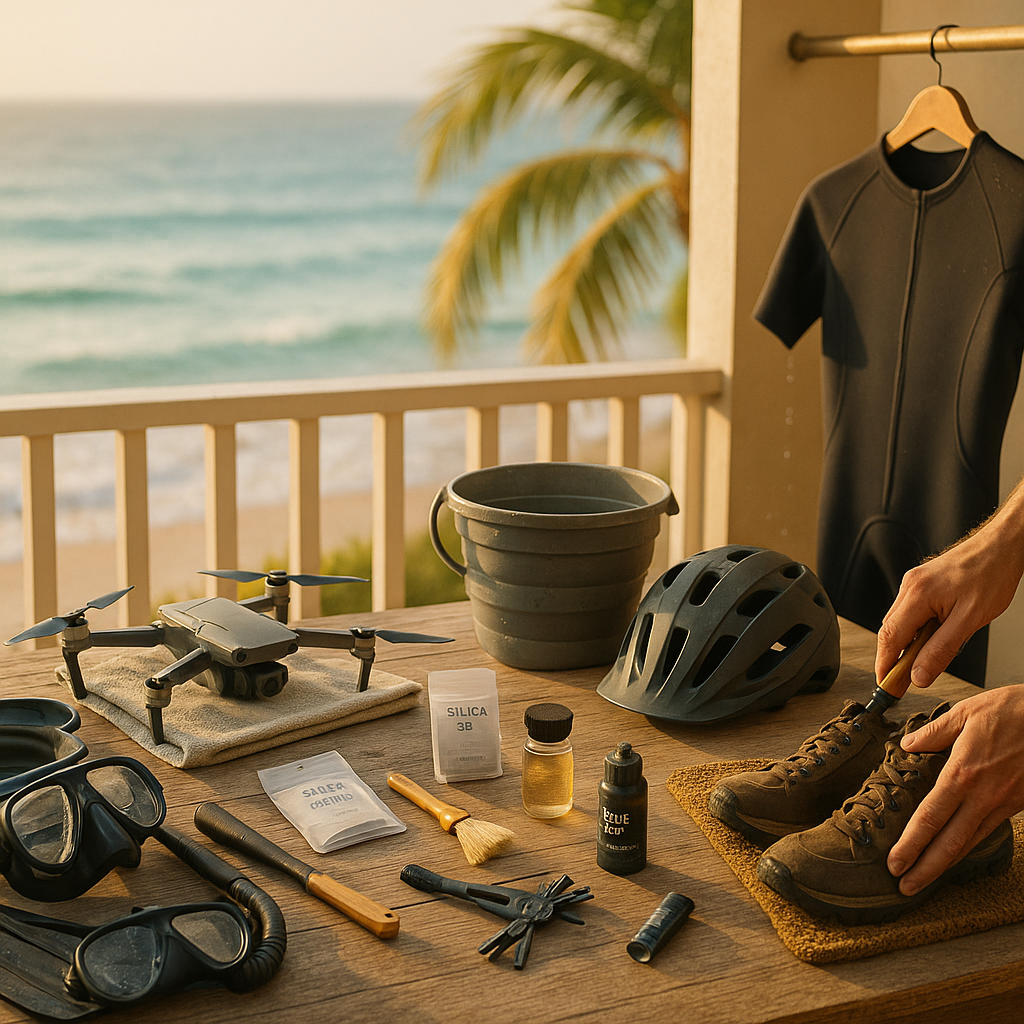
A little daily care goes a long way toward keeping your rental gear performing great, avoiding damage fees, and making your vacation in Breckenridge smoother from start to finish. As a family-owned, full-service ski, snowboard, bike, and stand-up paddle board shop with two convenient locations on the north and south ends of Breckenridge, Alpine Sports has helped guests make the most of their rentals for decades. Here’s our practical guide to caring for your equipment while you’re here—winter or summer.
Why gear care matters
– Performance: Clean, dry, well-adjusted gear works better and feels safer.
– Longevity: Prevent rust, delamination, warped materials, and premature wear.
– Savings: Avoid unnecessary repairs or replacement charges.
– Convenience: Fewer mid-trip hiccups and more time enjoying Breckenridge.
Universal rules for any rental gear
– Dry it daily: Moisture is the enemy. Wipe off snow, water, and grit as soon as you finish using your gear. Air-dry thoroughly before storage.
– Avoid direct heat: Never place gear against radiators, space heaters, fireplaces, or on hot vents. Excessive heat can warp plastics, delaminate laminates, and damage adhesives.
– Store smart: Keep gear indoors, out of the sun, and away from high-traffic areas where it can be knocked over.
– Transport with care: Use straps, pads, and cases when possible. Don’t stack heavy items on top of your gear.
– Inspect quickly each day: A 60-second check catches loose parts, cracks, or excessive wear before they become bigger issues.
– Know your agreement: Understand what counts as avoidable damage and what to do if something breaks or goes missing.
Ski and snowboard rentals: Daily care tips
Before you hit the mountain
– Clear and click: Brush snow and ice from bindings before stepping in so they function properly.
– Carry correctly: Hold skis base-to-base with a strap, or shoulder them. Carry snowboards with the top sheet toward your body. Avoid dragging edges on concrete or stairs.
On the mountain
– Mind the base: Steer clear of rocks, bare patches, and parking lots. Even a few feet on pavement can grind down edges and bases.
– Stay within your comfort zone: Impacts from rails or boxes can damage bases and edges if you’re not accustomed to terrain parks.
– Be snow-smart: In early or late season, “thin cover” signs mean hidden hazards that can nick bases and edges.
After your day
– Wipe and dry: Use a towel to remove moisture, especially along metal edges to prevent rust. Pay attention to binding springs and baseplates.
– Store indoors: Let gear air-dry in a room-temperature space. Don’t lean skis or boards against heaters, and don’t leave them in a hot vehicle.
– Re-wax mid-trip: Snow conditions in the Rockies vary. A fresh wax keeps bases fast and protected. Stop by our shop for a quick wax or tune recommendation.
Boots, helmets, and goggles
Ski and snowboard boots
– Dry the right way: Loosen buckles or laces, open the tongue wide, and remove footbeds so moisture can escape. Use a gentle boot dryer if available, or air-dry overnight.
– Don’t cook them: Never place boots by direct heat sources. Excess heat warps shells and can separate liners.
– Shape matters: Lightly close buckles when storing to help boots keep their shape.
Snowboard boots
– Loosen laces fully and open up the liner to air out. Keep speed-lace handles or BOA dials secured so they don’t snag during transport.
Helmets and goggles
– Air-dry only: Don’t use hairdryers or radiators. Wipe the helmet shell with a damp cloth if needed; avoid harsh cleaners.
– Baby the lenses: Never rub the inside of a goggle lens when wet—the anti-fog coating is delicate. Shake off moisture, blot the exterior gently, and store goggles in their soft pouch.
Bike rentals: Keep it smooth and safe
Pre-ride ABC quick check
– Air: Squeeze tires; they should feel firm. If you’re unsure about pressure, we’ll set it up for the day’s terrain and conditions.
– Brakes: Squeeze both levers—firm and even response is key.
– Chain: Spin the pedals. Shifting should be crisp, with no grinding sounds.
On the trail or road
– Ride within conditions: Avoid muddy trails that can clog drivetrains and wear parts prematurely. On gravel, ease up over washboards and potholes.
– Shift smart: Reduce pedal pressure when shifting to protect the drivetrain.
After your ride
– Wipe it down: A quick wipe removes dust and grit. If it’s wet, dry the chain lightly.
– Skip pressure washers: High-pressure water can force grit into bearings and wash out lubrication. A damp cloth is enough.
– Lock it up: Use a quality lock when you stop. Don’t leave bikes outside overnight if you can avoid it—store them indoors and out of the weather.
– Transport thoughtfully: In a vehicle, secure the bike so it doesn’t tip. Don’t rest heavy or sharp items against the frame or derailleur.
If you notice a wobble, rubbing brake, shifting issues, or a soft tire, bring the bike by one of our locations. Small adjustments now prevent bigger problems later.
Stand-up paddle boards (SUP): Lake-day longevity
Carry and launch
– Lift, don’t drag: Use the center handle to carry your board. Dragging grinds away at the rails and tail.
– Watch the fin: Install and remove the fin carefully. Avoid shallow rocky sections that can strike or bend the fin.
On the water
– Stay within capacity: Follow weight and PSI guidelines. Over-inflation risks seam damage, especially in hot sun and high altitude.
– Sun sense: Don’t leave an inflated board baking on shore. If you take a long break, move it to the shade or release a little pressure.
After paddling
– Rinse and dry: A fresh water rinse removes sand and silt. Let the board dry before rolling or bagging.
– Pack it right: If inflatable, roll loosely from the nose with the valve open. Keep the paddle free of grit in the joints, and avoid overtightening cam locks.
Storage and transport best practices
– Elevate and separate: Keep skis/boards on a mat or rack, bases off wet floors. For bikes, avoid leaning on derailleurs or brake rotors. For SUPs, pad roof racks and don’t overtighten straps.
– Lock what you can: A small cable lock for skis/snowboards, a solid lock for bikes, and secure straps for SUPs deter theft and prevent shifting during transport.
– Check straps twice: Recheck roof rack straps 10–15 minutes into your drive as things settle.
A quick 5-minute nightly routine
– Skis/snowboards: Wipe edges and bases dry. Strap skis base-to-base. Stand gear in a cool, dry area.
– Boots: Open them up to air-dry; remove footbeds. Lightly close buckles to maintain shape.
– Helmet/goggles: Air-dry; keep goggles in a pouch.
– Bikes (summer): Wipe dust, check tires for embedded debris, quick spin to ensure brakes aren’t rubbing.
– SUP (summer): Rinse, dry, and store out of direct sun. Remove fin.
Common mistakes to avoid
– Leaning gear against heaters or fireplaces.
– Leaving skis/boards on a car rack overnight or in direct sun for hours.
– Walking across pavement or gravel in ski or snowboard boots with bindings strapped on.
– Dragging a SUP or board across sand or rocks.
– Using high-pressure water on bikes.
– Wrapping wet gear in sealed bags for hours.
What to do if something goes wrong
– Don’t force it: If a binding feels sticky, a boot buckle won’t close, a bike brake rubs, or your SUP valve hisses, stop and bring it in.
– We can help: As a full-service shop, our techs can assess issues, recommend a tune or wax, make quick adjustments, and help you decide the best next step.
– Two convenient locations: Find us on the north and south ends of Breckenridge for fast, friendly support while you’re out enjoying your trip.
Return-day checklist
– Dry and clean: Wipe off moisture, dirt, and sand. This makes inspection faster and helps avoid preventable rust or abrasion.
– Gather accessories: Poles, locks, straps, fins, pumps, chargers, and tool kits—don’t leave small items behind at your lodging.
– Remove personal items: Check boot liners for socks or footbeds, jacket pockets for multi-tools, and bike bags for snacks or IDs.
– Be on time: On-time returns help us tune and prep gear for the next guest—and may save you late fees.
Need advice mid-trip?
Swing by Alpine Sports for a quick check, fresh wax, or tips for the day’s conditions. Our local team is here to help you choose the right maintenance for the weather and terrain so your gear stays dialed all vacation long.
Plan ahead and reserve online
Save time at pickup by reserving your ski, snowboard, bike, or SUP rentals online at https://alpinesportsrental.com/. Whether you’re staying near the north or south end of Breckenridge, our two convenient locations make it easy to grab your gear, get expert guidance, and get out there with confidence.
Take good care of your rental gear, and it will take good care of you—more comfort, better performance, and a stress-free vacation in the mountains. If you have questions at any point, stop in and say hello. We’re happy to help.
Sorry, the comment form is closed at this time.