

03 Nov Ski Tuning Basics: Why It’s Critical for Performance
Ski Tuning Basics: Why It’s Critical for Performance
Fresh snow or firm morning corduroy—no matter the day, a proper ski or snowboard tune can be the difference between feeling confident and feeling out of control. Tuning isn’t just for racers; it’s the baseline maintenance that keeps your gear gliding, gripping, and lasting longer.
As a family-owned, full-service ski, snowboard, bike, and stand-up paddle board shop with two convenient locations on the north and south ends of Breckenridge, Alpine Sports tunes thousands of skis and snowboards each season. Here’s what you need to know about ski tuning basics and why it matters so much, especially in high-alpine Colorado conditions.
What “tuning” actually means
A complete tune addresses three key parts of your equipment:
– Base: The flat, ultra-high molecular weight polyethylene (P-Tex) surface that touches the snow. Tuning ensures it’s flat, repaired, and structured so it glides.
– Edges: The metal rails along the ski or snowboard. Sharpening restores bite for turns and braking control.
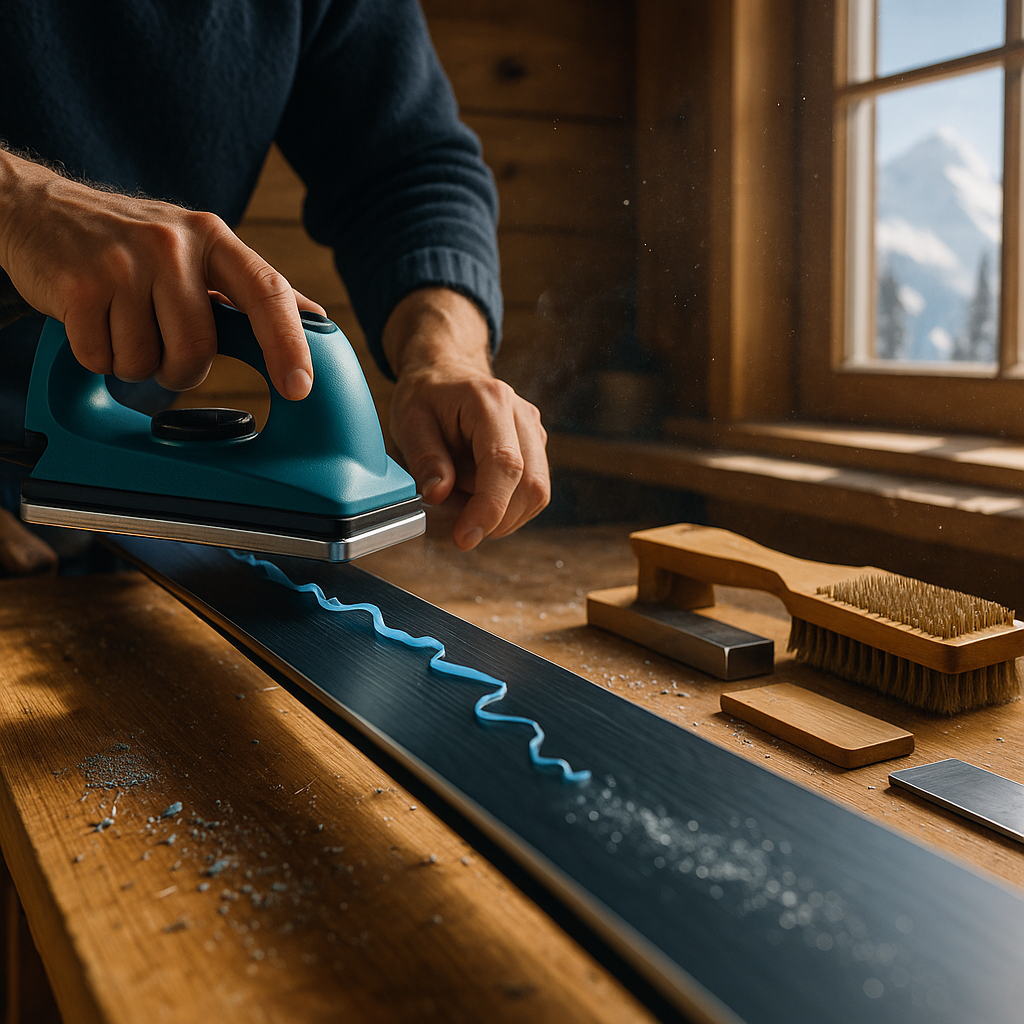
– Wax: Hot wax saturates the base to reduce friction, improve speed, and protect against oxidation and dryness.
When these three elements are dialed, you get predictable turns, smoother glide on flats and traverses, better stability on hardpack, and less leg fatigue.
Why tuning is critical in Breckenridge conditions
High elevation and dry Colorado snow pull wax out of bases more quickly. Early-season rocks, wind-scoured steeps, and firm mornings followed by softer afternoons create a wide range of conditions in a single day. That variability rewards gear that:
– Holds an edge on slick, chalky pitches
– Glides efficiently across long flats and cat tracks
– Doesn’t “grab” or feel sluggish as temperatures swing
A consistent tune keeps your setup performing across all of the above, with more confidence and fewer surprises.
How to tell your skis or snowboard need a tune
– The bases look white or chalky near the edges (that’s dryness).
– You feel slow on flats or sticky in transitions.
– It’s harder to hold an edge on firm snow, or your tails feel washy.
– You see burrs or rust spots on the edges.
– Fresh scratches, core shots, or rock hits are visible.
– The ride feels “hooky” or unpredictable, especially at the start or end of turns.
How often should you tune?
It depends on how and where you ride, but these are solid starting points:
– Hot wax: Every 2–4 days on snow in Colorado’s dry climate; more often in cold, squeaky snow or warm, spring slush.
– Edge sharpen and deburr: Every 3–5 days on snow if you like firm groomers, bump lines, or variable off-piste.
– Full tune (stone grind, base repair, full edge work, hot wax): Every 5–10 days on snow, or any time the base looks uneven or damaged.
If you’re newer to tuning schedules, a simple rule of thumb is: wax frequently, sharpen edges when you lose grip, and book a full tune after any notable base damage or when the skis/board stop feeling lively.
What’s included in a professional tune
– Base cleaning and inspection: Removes old wax and grime, identifies scratches, core shots, and edge damage.
– Base repair: Fills scrapes and core shots with P-Tex so the base is smooth and fast.
– Stone grind: Flattens the base and refreshes base structure—micro-grooves that channel water for better glide (finer for colder temps, coarser for warm, wet spring snow).
– Edge work: Resets base and side bevels, sharpens for precise grip, and removes burrs. Tips and tails are often slightly detuned for smooth turn entry and exit.
– Hot wax and brush: The right wax for the day’s temperatures and snow type, then brushed to a fast finish.
Ski vs. snowboard tuning
The fundamentals are the same: clean base, repair, flatten and structure, sharpen edges, wax, and brush. Freestyle and freeride boards might get slightly different detune preferences at the tips and tails, but the goals—glide, grip, and consistency—don’t change.
DIY vs. pro tuning
At-home maintenance can stretch time between shop tunes:
– Dry your gear after every day to prevent rust.
– Knock down small burrs with a gummy stone.
– Use a rub-on or quick hot wax when you’re short on time.
However, only a professional stone grind can truly re-flatten bases and refresh base structure. If your edges are inconsistent, your base is convex/concave, or you’ve collected a few rock hits, a full tune in the shop will reset everything and make your gear feel new again.
Wax and structure basics
– Cold, dry snow: Harder waxes and a finer base structure reduce suction and keep speed up.
– Warm, wet spring snow: Softer waxes and a slightly coarser structure shed water to prevent that “stuck” feeling.
– Universal wax: A smart default for mixed conditions, especially on a multi-day trip.
Quick on-mountain care tips
– Wipe edges and bases dry after skiing or riding.
– Store gear in a cool, dry place—avoid hot condos, car trunks, and direct heat sources.
– Use ski straps or a board bag to prevent base and edge dings during transport.
– If you caught rocks, avoid skiing further on a deep core shot; get it repaired to protect the core and prevent water intrusion.
End-of-season storage
– Get a fresh tune, then leave on a storage wax (don’t scrape). It seals the base and prevents oxidation.
– Back off binding DINs only if you’re familiar with proper settings and procedures; otherwise leave them as-is and have them checked next season.
– Store gear in a cool, dry spot away from sunlight and heaters.
Why it all matters
Beyond speed, a good tune is about control and safety. Tuned edges let you trust your turns on steeps and firm snow. A smooth, well-waxed base reduces friction so your legs last longer, and your skis or board won’t surprise you mid-run. Your gear will also last longer with fewer repairs over time.
Get tuned at Alpine Sports Rental
From quick hot waxes to full tunes with stone grinds and base repair, Alpine Sports Rental has you covered at our North and South Breckenridge locations. Our family-owned team will help you pick the right service for your goals and the day’s conditions, with efficient turnaround so you can maximize time on the mountain.
Drop in before your trip for a preseason tune, swing by midweek for a fast wax and edge refresh, or finish your season with storage prep. If you need rentals for friends and family, we’ve got that too—plus top-notch ski and snowboard service to keep your gear performing its best all winter long.
Have questions about tuning, wax choices, or how often your setup needs attention? Stop by or reach out—we’re happy to help.
Sorry, the comment form is closed at this time.